[OT Sec] The Last Defense for Production: Invest in OT Security Now, or It’s Too Late


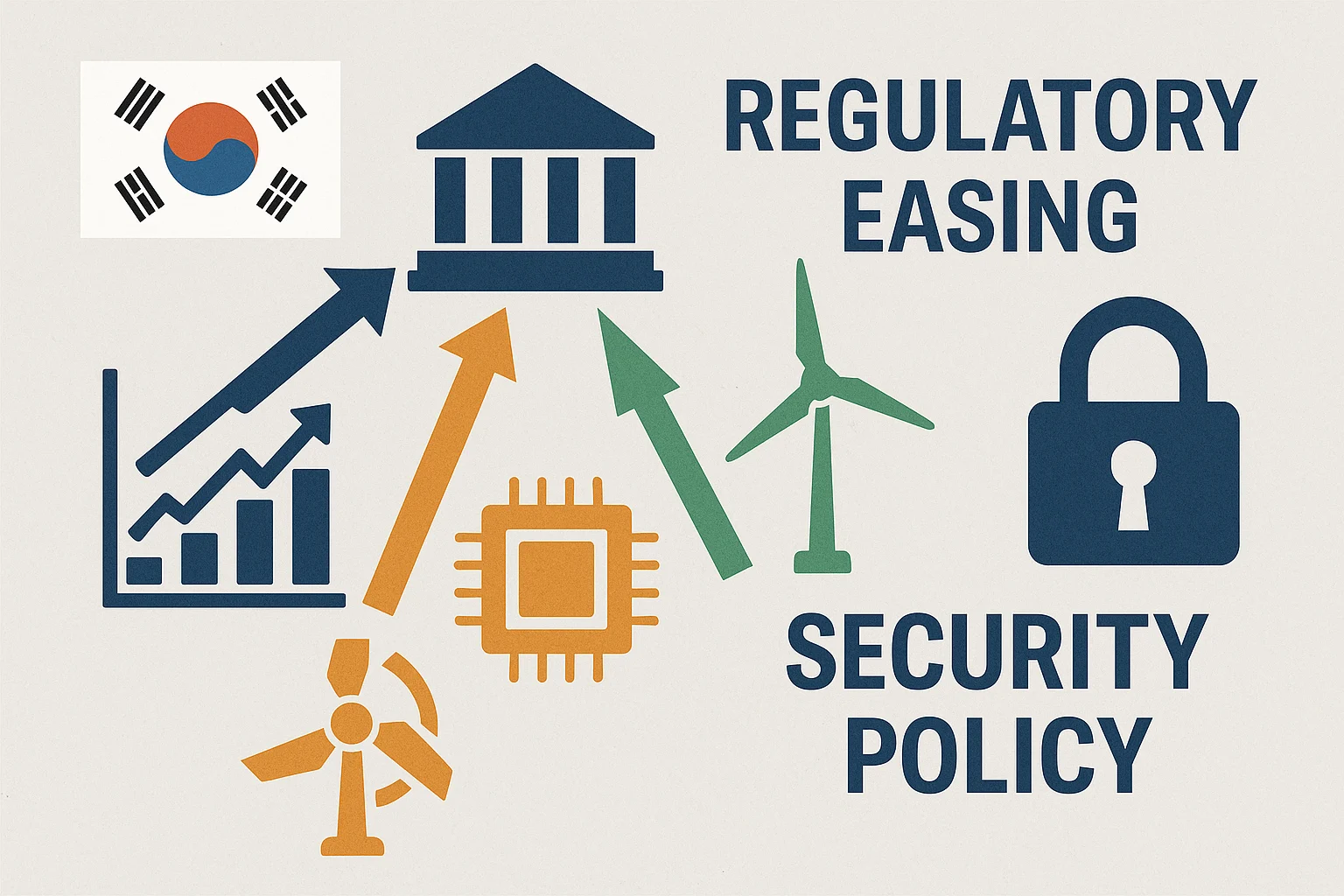
Table of Contents
1. Government Policy Direction and Business Environment Changes
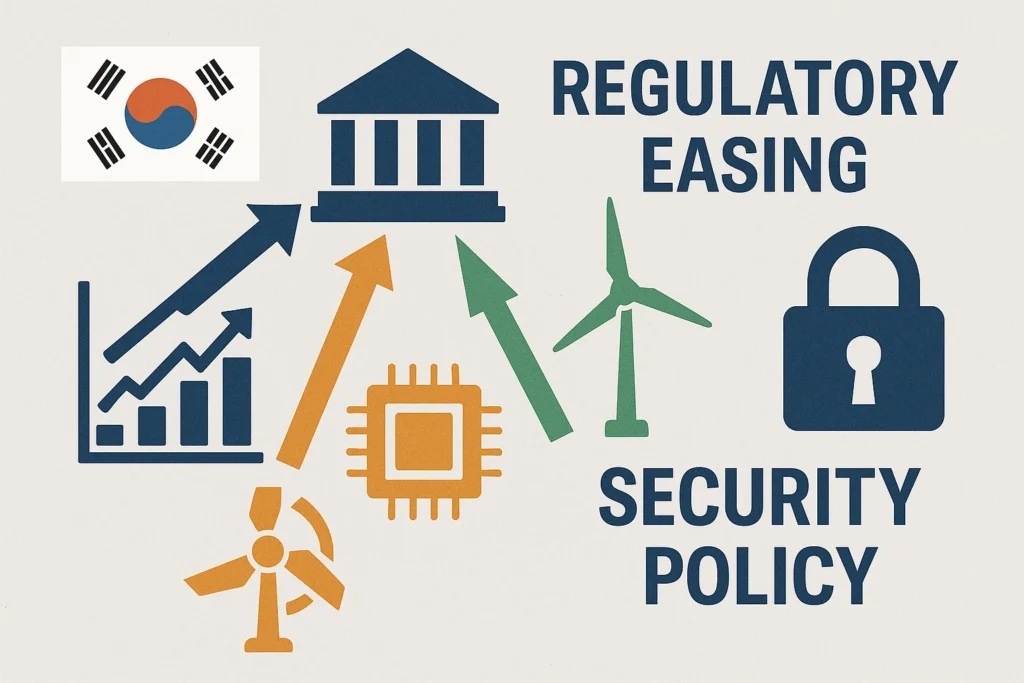
The Yoon Suk-yeol administration, launched in 2022, has prioritized free-market economic policies, regulatory easing, and revitalization of corporate investment.
This policy direction extends beyond traditional large conglomerates to promote digital transformation, foster advanced manufacturing industries, support renewable energy and semiconductor sectors, and introduce labor market flexibility.
These reforms are having a widespread impact across the corporate environment.
Notably, while the outward focus is on regulatory relaxation, security-related regulations are actually being strengthened, especially in the context of national security and the protection of advanced technologies.
Key trends include:
- Expansion of the Serious Accidents Punishment Act and the Industrial Safety and Health Act
- Strengthened cybersecurity regulations through public-private cooperation led by the Ministry of Science and ICT and the National Intelligence Service
- Increased emphasis on data protection and infrastructure security under the Digital Platform Government initiative
- Amendments to the Act on the Protection of Industrial Technology to reinforce the protection of national core technologies
2. Business Priorities of Corporate Executives
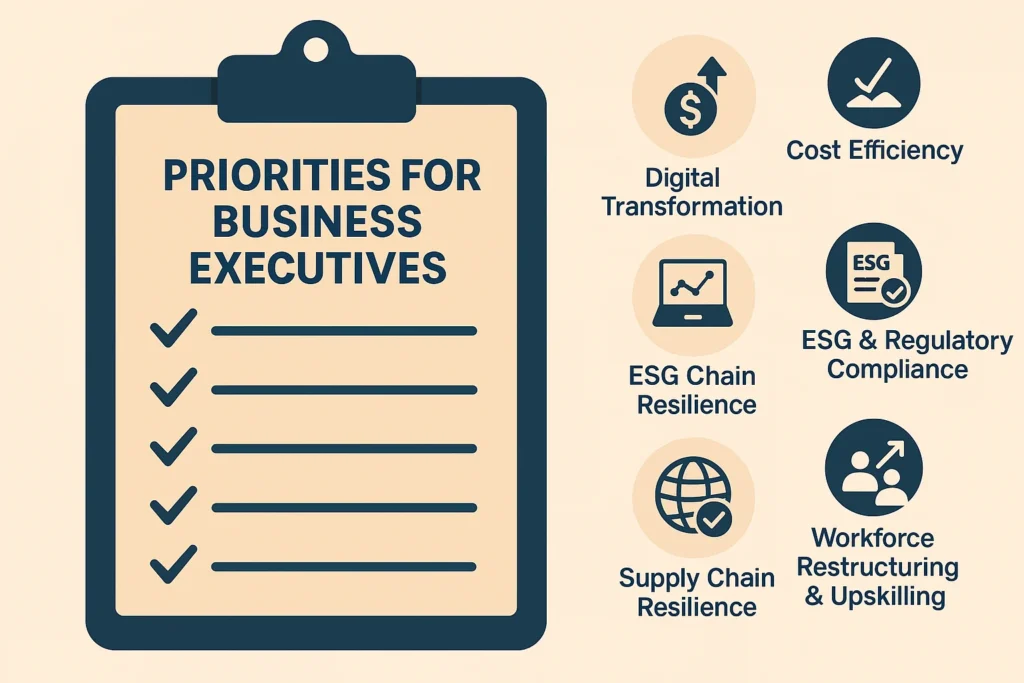
Under the current government’s policies, many executives are prioritizing the following:
| Priority | Description |
|---|---|
| 1. Cost Efficiency | Maximize ROI amidst global economic downturns and high-interest rate environments |
| 2. Digital Transformation | Promote smart factory initiatives, ERP/SCADA integration, AI/IoT-driven process innovation |
| 3. ESG and Regulatory Compliance | Fulfill mandatory ESG disclosures, comply with the Serious Accidents Act and Personal Information Protection Act |
| 4. Supply Chain Resilience | Mitigate risks in material procurement and logistics following global supply chain disruptions |
| 5. Workforce Restructuring and Advancement | Balance between securing skilled technical workers and organizational streamlining |
In this management context, cybersecurity—particularly OT security—is still often perceived as a “support function” or a “cost center.”
Especially in production environments, solutions like IPS and EDR are often met with resistance due to concerns about potential production disruptions.
3. Impact of Regulations and Threat Landscape on OT Security
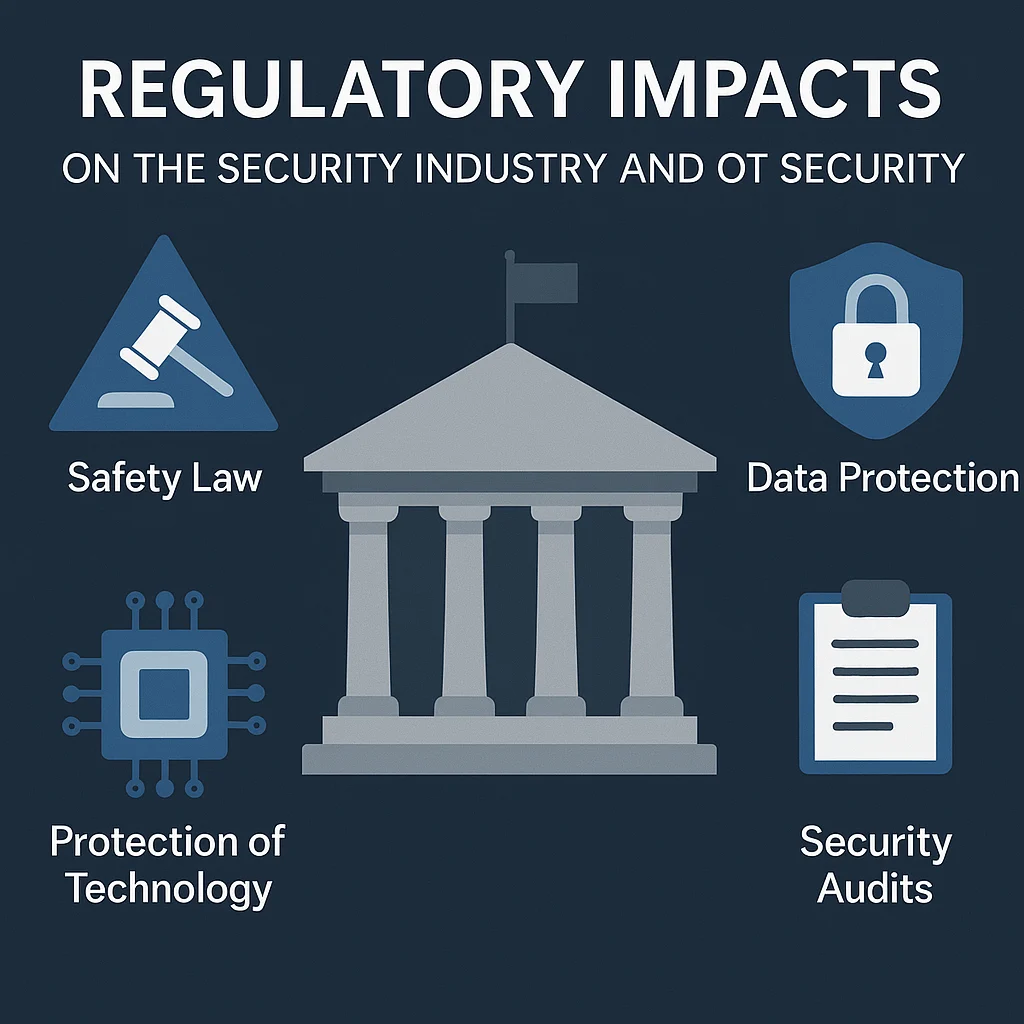
1) Regulatory Changes
| Regulation | Main Content | Impact |
|---|---|---|
| Serious Accidents Act | Punishment of executives for accidents caused by insufficient safety measures | Increased need to integrate OT security into safety scenarios |
| Personal Information Protection Act Amendments | Expansion of personal data scope to include sensitive information from IoT devices in OT environments | Increased demand for security audits related to production system data flows |
| Protection of National Core Technologies | Mandatory measures to prevent technology leaks in semiconductors, batteries, precision chemicals | Stronger access control requirements for OT networks in production sites |
| National Intelligence Service-led Security Grading System | Expansion of critical infrastructure designations and strengthening of periodic audits | Mandatory establishment of OT security management systems |
These regulatory shifts highlight not only operational necessities but also reinforce executive legal liabilities, audit cost increases, and customer trust expectations.
2) Growing OT Security Threats Across Industries
- Myth of Air-Gapped Systems: External breaches and internal infection vectors (e.g., USB devices, maintenance personnel) are increasingly exposing OT environments.
- Rise of Ransomware Targeting ICS: Sharp increase in ransomware attacks targeting manufacturing systems (e.g., Colonial Pipeline, Hon Hai Group incidents).
- Convergence of Cyber-Physical Risks: Security breaches increasingly result in physical equipment damage and human safety threats.
4. Strategies for Convincing Executives on the Necessity of OT Security
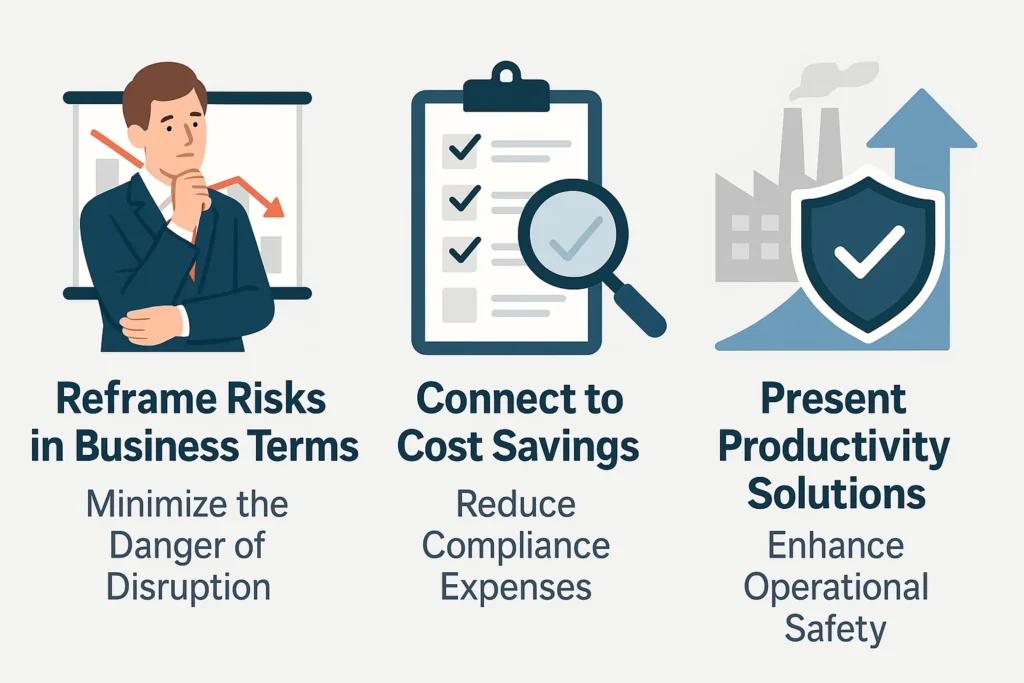
Considering on-the-ground realities and executive interests, it is more effective to frame OT security not as “risk avoidance,” but as a “competitive advantage.”
A four-step approach for persuasion includes:
1) Redefine Risk Using Business Language
- Replace technical terms with management-oriented language:
“Reducing attack surface” → “Minimizing production disruption risk” - Present quantified data:
“Average production downtime of 18 hours per cyber incident, estimated financial loss: 480 million KRW” - Cite peer company examples showing improved ROI and brand trust through proactive OT security adoption.
2) Go Beyond Regulatory Compliance to Emphasize Cost Savings
- Security controls (e.g., OT network segmentation, access log recording, account management)
- Highlight that automation of security controls reduces audit preparation costs and mitigates legal risks.
3) Emphasize Dual Benefits of Productivity and Safety
- Demonstrate that security systems contribute not only to risk prevention but also to operational efficiency: “Claroty’s threat detection platform enabled early anomaly detection in production equipment, allowing preemptive maintenance and preventing unplanned downtime.”
4) Promote Long-Term View: “Security Investment = Business Continuity Assurance”
- Present case studies where cyber incidents resulted in severe business consequences: “One semiconductor supplier’s breach led to a three-month production disruption, resulting in loss of deals with major clients like Samsung and TSMC.”
5. Conclusion: The Core Message to Executives Is ‘Opportunity,’ Not Just ‘Risk’

OT security is no longer merely an issue for technical departments—it is a core strategy for ensuring enterprise-wide business continuity.
In today’s environment, where companies must simultaneously ride the waves of digital transformation and ESG compliance,
safety and cybersecurity form the fundamental bedrock.
Executives must recognize OT security not as a cost to reduce risks, but as a strategic investment to secure customer trust and dominate future markets.
Thus, OT security consultants must act not just as technologists, but as business strategists when explaining problems and proposing solutions.
![[OT 보안] “IACS 보안: 7가지 필수 전략으로 산업제어시스템 악성코드 보호와 패치 관리 완벽 가이드”](https://ota2z.com/wp-content/uploads/2025/08/ChatGPT-Image-2025년-8월-14일-오전-11_38_25-768x768.webp)
![[네트워크] 네트워크 전문가를 위한 OSI 7계층 실무 가이드: 우체국 시스템으로 이해하는 네트워크 아키텍처](https://ota2z.com/wp-content/uploads/2025/08/ChatGPT-Image-2025년-8월-15일-오후-03_39_56-768x768.webp)
![[OT 보안] “산업제어시스템 프로토콜 보안: Modbus와 OPC 실무자 완전 가이드”](https://ota2z.com/wp-content/uploads/2025/08/ChatGPT-Image-2025년-8월-14일-오전-11_23_17-768x768.webp)
![[OT Sec] Global OT Cybersecurity Paradigm Shift and Korea’s Regional Industry Integration Strategy](https://ota2z.com/wp-content/uploads/2025/08/ChatGPT-Image-2025년-8월-1일-오후-05_27_26-768x768.webp)
![[물리보안] “PSP 자격증 완전 정복 가이드: 물리적 보안 전문가로 가는 확실한 로드맵”](https://ota2z.com/wp-content/uploads/2025/08/ChatGPT-Image-2025년-8월-5일-오후-08_12_23-768x768.webp)
![[OT Sec] “A Single Smart Factory Hack Can Cost Billions… Why OT Security is Imperative Now”](https://ota2z.com/wp-content/uploads/2025/06/Gemini_Generated_Image_a6hw3za6hw3za6hw-768x768.webp)