[OT Sec] The Importance of Understanding the Concepts and Differences between Instrument, Device, and Equipment


Table of Contents

Accurately understanding the terms Instrument, Device, and Equipment used in OT (Operational Technology) environments is crucial for effective OT security and operational management. Clearly distinguishing these concepts provides practical guidance for technical management, application of security controls, maintenance strategy formulation, and regulatory compliance.
Definitions of Each Concept
1) Instrument
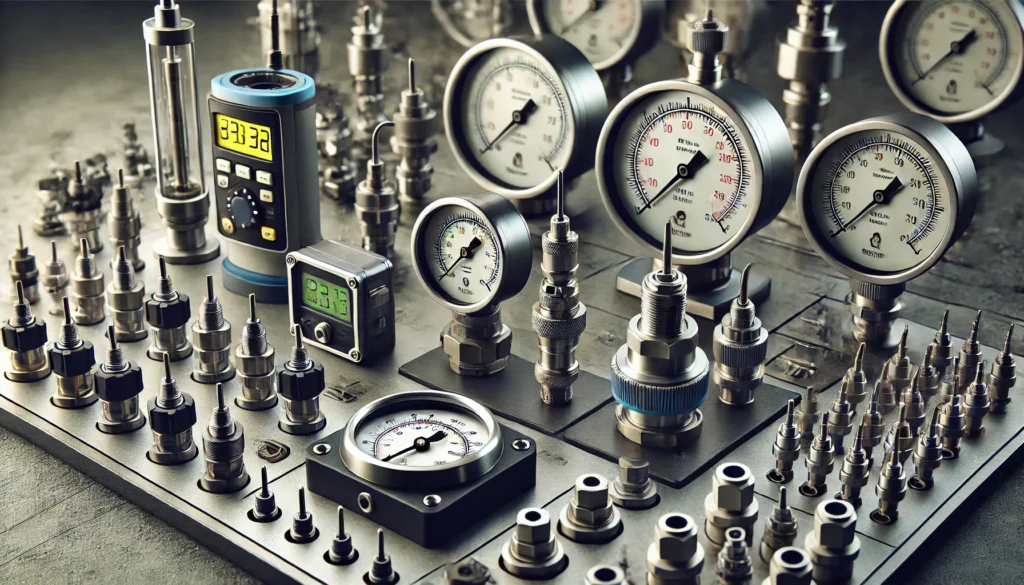
An Instrument typically refers to a device used for measuring or indicating specific physical or chemical characteristics. Instruments like pressure gauges, thermometers, and flow meters precisely measure particular variables, emphasizing accuracy and precision.
- Key Features: Precise measurement, specialized functionality, high accuracy
- Examples: Pressure Gauge, Thermometer, Vibration Sensor
2) Device

A Device is an electronic or mechanical component designed to perform specific functions or purposes, representing a broader concept compared to Instruments. Devices perform a range of functions, including measurement, control, transmission, conversion, and signal processing. Examples include sensors, actuators, Programmable Logic Controllers (PLC), and Remote Terminal Units (RTU).
- Key Features: Diverse functionality, control and processing capabilities, data transmission
- Examples: PLC, Sensor, Valve Controller, RTU
3) Equipment
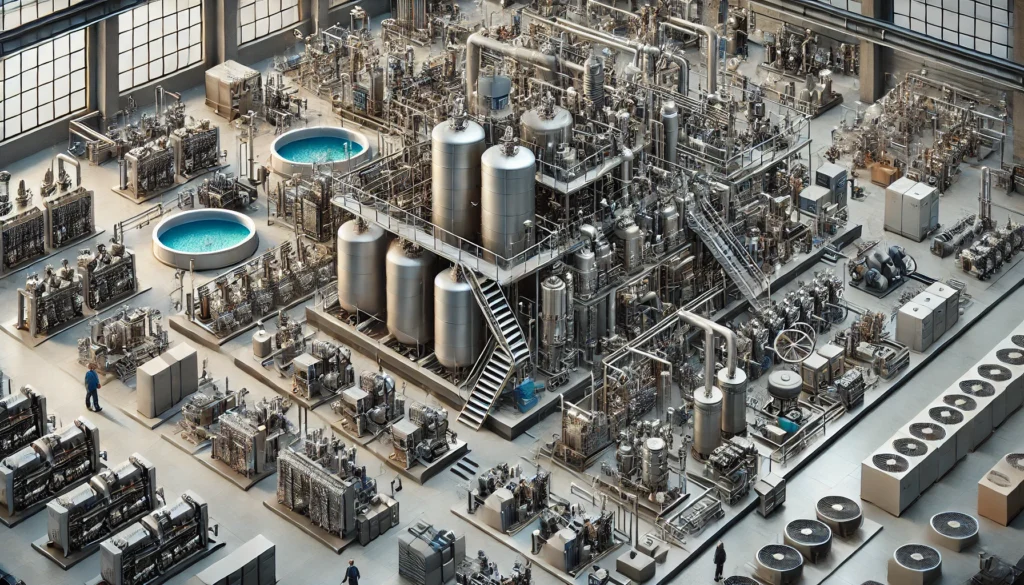
Equipment is a collection of machines or systems used to perform specific tasks or functions. Typically, Equipment integrates Devices and Instruments, comprising multiple components to execute complex tasks or processes, such as manufacturing or operational purposes. Equipment has a strong industrial nature, consisting of numerous sub-components.
- Key Features: Complex functionality, large scale, integration of multiple sub-components
- Examples: Pump Systems, Compressor Systems, HVAC Systems (Heating, Ventilation, and Air Conditioning)
Comparative Differences

| Category | Instrument | Device | Equipment |
|---|---|---|---|
| Conceptual Definition | Measurement and indication of specific variables | Performs individual functions like measurement, control, and data transmission | Complex systems designed for achieving specific operational goals |
| Functional Scope | Narrow, specialized functionality | Broad and diverse functionality | Complex and integrated functionality |
| Structural Complexity | Single component | Individual devices or components | Integration of multiple devices/components |
| Scale and Scope | Small scale | Small to medium scale | Large-scale industrial systems |
| Purpose | Accurate data measurement and monitoring | Data processing, transmission, and control | Operation and production processes |
| Maintenance | Frequent calibration, maintaining high precision | Functional checks, software/hardware maintenance | Regular comprehensive checks and structured maintenance planning |
Importance of Understanding These Differences

1) Enhanced Precision in OT Security
Clearly understanding the concepts of Instrument, Device, and Equipment is critical in accurately applying security controls and identifying vulnerabilities. For example, Instruments require integrity-focused security strategies due to the importance of data accuracy, whereas Devices demand robust access control and authentication measures given their higher data transmission and processing capabilities.
2) Efficient Resource Management
Understanding the specific characteristics and functionalities of each component allows efficient allocation of resources and effective maintenance planning. Instruments require periodic calibration, Devices need regular software updates, and Equipment demands comprehensive maintenance strategies.
3) Regulatory Compliance and Clear Responsibility Allocation
Accurately defining and using terms as outlined by industry standards or regulations (e.g., ISMS-P, IEC 62443) facilitates clearer compliance management with legal and regulatory requirements. It also enables clear delineation of responsibilities within organizations.
Application in OT Environments: Refinery Example
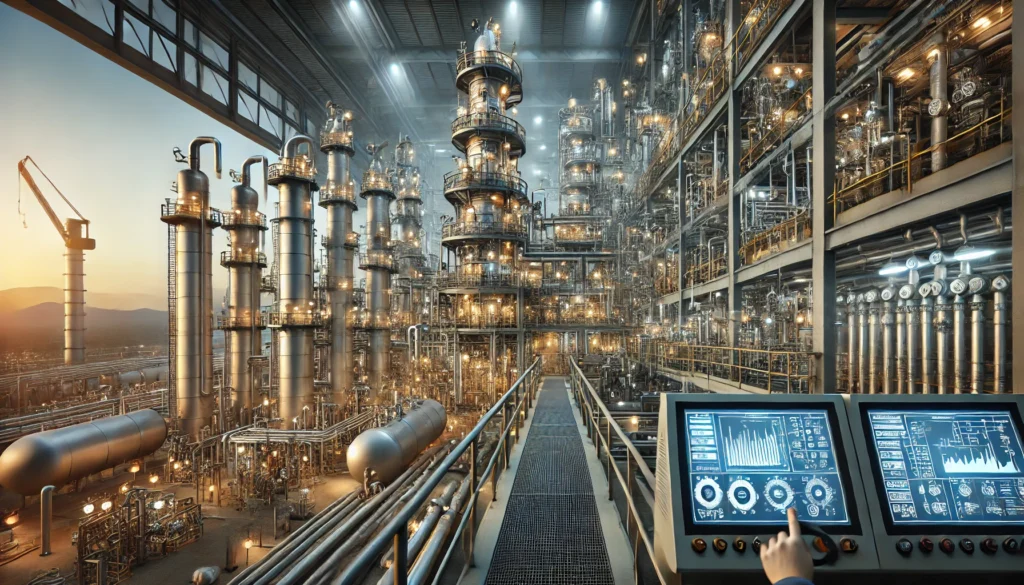
In a refinery environment:
- Instrument: Temperature and pressure sensors provide precise process data, ensuring operational stability.
- Device: Devices like PLCs process sensor data, automatically controlling valves to maintain smooth operational flow.
- Equipment: The entire refining infrastructure (e.g., distillation towers) operates through the integrated functionality of Instruments and Devices to perform complex, critical oil refining processes.
Failure to clearly understand these concepts can lead to confusion in maintenance and security policy formulation, ultimately causing operational disruptions and security incidents.
Conclusion
Instruments, Devices, and Equipment each hold clearly defined roles and responsibilities in OT environments. Understanding their distinctions is essential for effective management and security strategy formulation. Thus, clearly comprehending and actively applying these concepts to OT security and operational management is critically important.

![[OT Sec] “Global Convergence Strategy for Industrial Control Systems Cybersecurity Standards: ISA/IEC 62443 and NIST CSF Integration Guide”](https://ota2z.com/wp-content/uploads/2025/08/ChatGPT-Image-2025년-8월-13일-오후-05_41_08-768x768.webp)

![[Physical Sec] “Comprehensive CPTED-Based Physical Security Design Guide”](https://ota2z.com/wp-content/uploads/2025/08/ChatGPT-Image-2025년-8월-4일-오전-11_14_39-768x768.webp)

